

How to Move Heavy Furniture Safely in Manchester
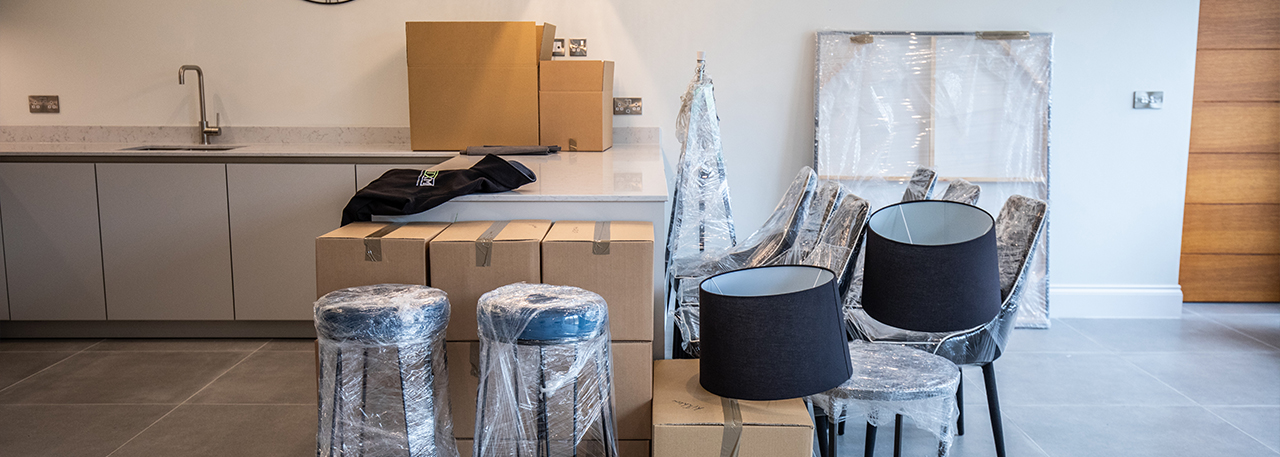
Moving heavy furniture is where most DIY moves go wrong. A wardrobe that looked manageable on the landing becomes a problem the moment it has to turn a corner. A king-size bed frame that came up the stairs in pieces needs to come back down the same way. The TXM Removals team, working out of our depot at 34 Brindley Rd, Old Trafford, goes the Xtra Mile on every job, and heavy furniture is one of the most common reasons a Greater Manchester move turns into a longer, more expensive day than anyone planned. This guide covers how to move heavy furniture safely, what to prepare, and when it makes sense to hand the lifting to a trained team.
The Risks of Moving Heavy Furniture Yourself
The three things that go wrong most often when people move heavy furniture without professional help are injuries, floor damage, and damage to the piece itself. Back and shoulder injuries from incorrect lifting technique are the most common outcome. A piece that is awkward to grip, that has to travel down a staircase, or that needs to turn a tight corner puts the body in positions it is not built for.
Floor and wall damage follows closely. Dragging a chest of drawers across a hardwood floor leaves a gouge that costs more to repair than the moving job would have. A sofa corner catching a freshly plastered wall at the bottom of a stairwell is a problem that does not show itself until after the piece has gone.
Manchester homes add their own complications. Victorian terraces in Didsbury, Chorlton, and Fallowfield often have doorways as narrow as 762mm. High-rise apartments in Deansgate and around Salford Quays have lifts, but lift dimensions rarely account for a king-size mattress standing upright. Knowing the exact route before you start lifting is not optional. It is the whole job.
How to Prepare Before Lifting or Moving Furniture
Preparation cuts most of the risk out of a heavy furniture move. The steps below apply whether you are moving a single piece across a room or loading a whole property into a house removals truck.
- Measure the route, not just the piece. Measure every doorway, the stairwell turn, and the lift entrance if there is one. Compare all of those measurements against the widest and longest dimension of the item. If the smallest gap is narrower than the piece, the piece needs to come apart before it moves.
- Clear the path completely. Remove rugs, cables, and loose door mats along the full route. Fold back any rugs on the staircase and tape down any trailing cables before a single item is moved.
- Protect the floors. Lay floor runners, carpet offcuts, or thick cardboard along hardwood and tiled surfaces. Adhesive-backed floor protection film works on smooth surfaces and lifts cleanly after the move.
- Use the right kit. Furniture sliders under the legs let a heavy item be nudged across a floor without lifting. Furniture straps distribute weight across two people and keep a piece controlled on a staircase. A sack barrow handles most heavy boxes and many upright items without anyone lifting above waist height.
- Dismantle what can be dismantled. Legs off tables, drawers out of chests, shelves out of wardrobes, doors off hinges. Every kilogram removed from the main piece is a kilogram less strain on the route and on your back. For detailed guidance on what removal companies will and will not take apart, see our post on whether removal companies dismantle furniture.
- Have two people minimum. One person cannot safely navigate a heavy piece around a corner or down a staircase alone. Two people is the minimum for anything over roughly 40 kilograms.
Common Heavy Items That Need Extra Care

Some items cause problems on almost every move they appear in. The pieces below are heavier than they look, awkward to grip, or built in a way that makes them hard to take apart cleanly.
- King-size bed frames and divan bases. Divans split into two sections but the halves are still heavy and awkward. Headboards on older frames are often bolted directly to the base and need tools to remove.
- Flat-pack wardrobes. A six-year-old flat-pack wardrobe is not the same structure it was when it was built. Cam locks and dowels weaken over time and the panels flex under load in a way they did not when new. Move them whole where the route allows, but plan for reinforcement if the structure is not rigid.
- L-shaped and modular sofas. These usually split into two or three sections. The individual pieces are still heavy, and the fabric or leather corners are the first casualty of a tight doorframe. Wrap corners in moving blankets before the piece leaves the room.
- American-style fridge-freezers. Almost always too wide for a standard doorway with the doors attached. The doors come off both sides and travel separately. The carcass still weighs over 100kg and needs a sack barrow and two people to move safely.
- Upright pianos. A full upright piano weighs between 200 and 400kg and has a high centre of gravity. Moving one without specialist straps, a piano board, and a trained crew is not recommended. This is exactly the category where a White Glove service earns its place in the quote.
- Home gym equipment. Treadmills, cable machines, and multi-gyms almost always need to be partially dismantled. The bolted sections are heavy, awkward, and designed to be assembled in place rather than moved through a hallway. Check the manufacturer’s instructions before you start.
- Loaded bookshelves. Books are dense. A standard six-shelf bookcase fully loaded can weigh well over 150kg. Empty every shelf into boxes before the carcass is moved, and keep individual boxes under 20kg so two people can carry them without strain.
Why Access, Stairs and Tight Spaces Matter
The access route from the property to the removal vehicle is where most heavy furniture damage happens. A wardrobe that will not go around the stairwell turn is stuck until you either take it apart or get specialist help to hoist it out of a window. Neither option is quick or cheap if it has not been planned for.
In Greater Manchester, the buildings most likely to cause access problems are Victorian terrace conversions in Salford and Stretford, where original doorways were built for the furniture of the 1880s, not king-size beds or American-style appliances. Mill conversions in Ancoats and the Northern Quarter have wide open-plan interiors but narrow corridor access from the stairwell. High-rise blocks at Deansgate and MediaCityUK in Salford Quays have service lifts, but those lifts have their own dimension limits and booking requirements.
The answer in every case is the same: walk the route before moving day, measure every choke point, and plan for the piece that does not fit rather than hoping it will. Our Manchester removals team does this on every pre-move survey. If access is going to cause a problem, we tell you before we arrive with the truck, not after. You can also use our Moving Day Checklist to track access measurements and building permissions in the weeks before the move.
When to Use a Professional Furniture Removal Service
Knowing when to stop and call a professional is as important as knowing how to lift. The situations below are the ones where the risk of going it alone outweighs the cost of hiring a trained crew.
- Any item over roughly 80 kilograms where you cannot safely have two people on either side of it for the full route.
- Anything going up or down more than one flight of stairs, particularly if the staircase has a landing turn.
- Antiques, heirlooms, or high-value pieces where damage cannot be put right. If the item is irreplaceable, that decision is already made.
- Pieces that need dismantling but for which you do not have the original instructions or hardware. Forcing a flat-pack structure apart without knowing the build order usually ends with a damaged panel or a missing cam lock.
- Items that need hoisting, piano boards, or specialist stair-walking equipment. These are not consumer tools. A professional crew carries them as standard.
- Moves where the access route is tight enough that a mistake means a dropped piece or a wall that needs replastering.
If you are not sure whether your move falls into this category, a pre-move survey from TXM costs nothing and gives you a written quote with a clear note on which items the crew handles. Request a free survey here.
How TXM Handles Heavy Furniture Moves in Manchester
TXM Removals operates from a depot at 34 Brindley Rd, Old Trafford, and covers the full Greater Manchester area, including Salford, Stretford, Didsbury, Chorlton, Urmston, Stockport, Altrincham, Bury, Bolton, and Tameside, as well as long-distance moves to and from Manchester from anywhere in the UK. Check our coverage areas to confirm we reach your postcode.
Every heavy furniture job starts with a pre-move survey where the team walks the route in and out, identifies the choke points, and builds the access plan before quote day. The price you get reflects the actual job, not an optimistic guess.
On moving day, the crew arrives with the full kit: furniture straps, moving blankets, barrows, sliders, and floor runners. Pieces that need to come apart are dismantled in the order they were built, with hardware labelled and bagged to the item. Pieces that travel whole are wrapped, edge-protected, and loaded so nothing shifts in transit.
For antiques, pianos, or high-value pieces that need a slower, more careful schedule, our White Glove service builds that time into the plan from the start. If a piece cannot move on the day because access is blocked or a completion date slips, secure storage at our Old Trafford depot keeps it safe until you are ready. For single-item moves or studio flat jobs where a full truck is not needed, our man and van service handles heavy furniture in a smaller vehicle sized for Manchester’s urban streets. If you would like the crew to handle all the packing as well, that service can be added to any removal booking.
The Xtra Mile philosophy means we do not treat a heavy wardrobe as someone else’s problem once it is off the truck. We treat it as a responsibility until it is in the room you want, where you want it, reassembled and checked.
Get a Quote for Furniture Removals
If you have heavy furniture that needs to move in Greater Manchester, tell us the addresses, the items, and the date. We will book a free pre-move survey, walk the route, and come back with a clear, written, fixed-price quote inside one working day.
Two useful steps before you book: use our Moving Day Checklist to track every access measurement and permission in the weeks before the move, then request a free quote from TXM with your move details.